GENIUS BRANDING STUDIO • PROCESS
Good Design Starts Before the Design.
Strong creative work begins with understanding the business before building the visuals.
Our process combines strategy, collaboration, creative development, refinement, and delivery to help turn ideas into clear, professional brand experiences.
The goal is not simply to create something that looks good. The goal is to create something that makes sense for the brand.
WHY PROCESS MATTERS
Creative Decisions Need a Reason.
Strategy gives the creative work direction.
Without a clear process, design can become subjective.
A color may be chosen because someone likes it.
A logo may be selected because it looks interesting.
A website may be built before the message is clear.
Genius Branding Studio uses a structured process to connect creative decisions to the business, audience, goals, and intended customer experience.
Clarity
Understand what the business is trying to communicate before designing the solution.
Alignment
Make sure the creative direction supports the brand's audience, goals, and positioning.
Consistency
Develop systems that can work across multiple touchpoints rather than one isolated design.
Efficiency
Establish direction early so time is spent developing the strongest solution rather than exploring without purpose.
THE GENIUS PROCESS
Five Phases. One Connected Creative Journey.
Each project may vary in size and complexity, but our work follows five core phases.
Understand first. Define the direction. Build the creative. Apply the system. Deliver it ready to use.
01
DISCOVER
02
DEFINE
03
DESIGN
04
DEVELOP
05
DELIVER
01 — DISCOVER
Understand the Business Before Designing the Brand.
Better information leads to better creative decisions.
The first phase is about learning what the business is, who it serves, what it needs, and what challenge the project is meant to solve.
We begin by gathering the information needed to make informed creative decisions.
We May Explore
Business
What does the company do?
Audience
Who does the brand need to reach?
Goals
What should this project help accomplish?
Challenge
What is currently unclear, inconsistent, outdated, or missing?
Existing Brand
What visual assets, messaging, website, or creative systems already exist?
Competition
What alternatives are customers comparing the business against?
Possible Inputs
- Business information
- Current logo
- Brand guidelines
- Existing website
- Reference materials
- Project goals
- Audience information
- Competitor examples
- Visual preferences
- Required content
02 — DEFINE
Clarify the Direction Before Creating the Solution.
Once the business and challenge are understood, we define the strategic and creative direction the project should follow.
This phase helps turn broad ideas into clear priorities.
We May Define
Positioning
How should the brand be understood?
Priorities
What matters most within the project?
Messaging
What should the brand communicate?
Creative Direction
What should the visual experience feel like?
Deliverables
What will actually be created?
Project Scope
Which components are included and which are outside the engagement?
Possible Outputs
- Creative brief
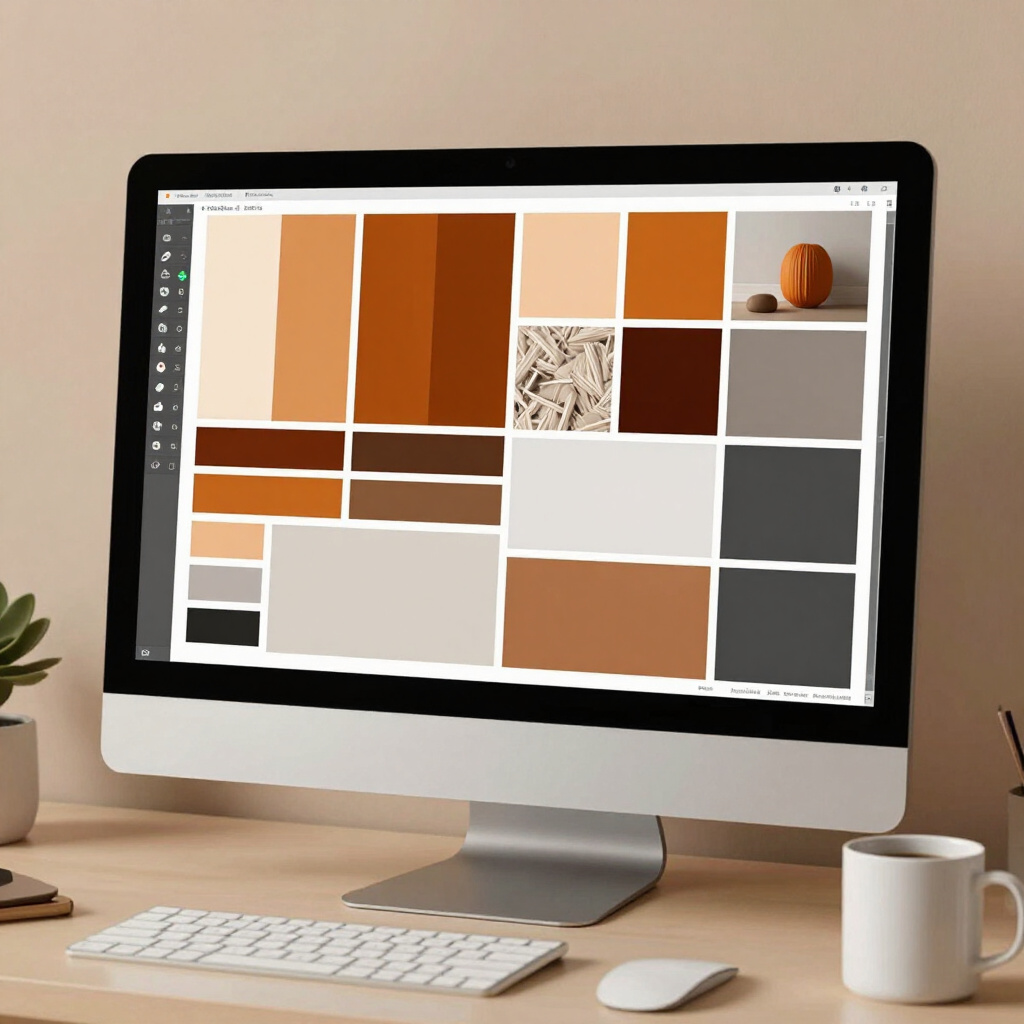
- Moodboard
- Strategic direction
- Visual direction
- Content hierarchy
- Project scope
- Service recommendations
Clear direction reduces unnecessary creative guesswork.
03 — DESIGN
Turn the Direction Into Creative Concepts.
With the direction established, the project moves into design.
This is where strategy becomes something visible.
Depending on the project, this phase may include identity systems, campaign concepts, marketing creative, website layouts, or other visual solutions.
Design May Include
- Logo concepts
- Color exploration
- Typography
- Brand identity systems
- Marketing graphics
- Campaign visuals
- Website layouts
- Landing-page designs
- Digital graphics
- Apparel graphics
- Presentation systems
Design is where the strategy starts to become tangible.



04 — DEVELOP
Apply the Approved Direction Across the Brand.
Once the strongest direction is approved, we develop the system across the selected touchpoints and deliverables.
The goal is to move from a concept into something practical, usable, and consistent.
This Phase May Include
- Finalizing the logo system
- Building brand guidelines
- Creating campaign assets
- Developing website pages
- Adapting designs for social media
- Preparing digital graphics
- Creating presentation assets
- Applying the identity to apparel or merchandise
- Refining mobile layouts
A strong concept becomes valuable when it can work consistently in the real world.
05 — DELIVER
Prepare the Work for Real-World Use.
The final phase is about organizing and preparing the approved work so it can be implemented confidently.
Final assets depend on the project scope.
Delivery May Include
- Logo files
- Brand guidelines
- Print-ready files
- Digital assets
- Website pages
- Social templates
- Campaign files
- Presentation materials
- Image exports
- Production-ready artwork
- Launch-ready graphics
Important Note: Final deliverables are defined in the approved project scope before work begins.
The goal is not just to finish the project. It is to make the work usable.
A STRONG PROCESS IS COLLABORATIVE
What Helps a Project Succeed.
The strongest projects happen when both sides have clear expectations, timely communication, and the information needed to make decisions.
Collaboration makes the process stronger.
Clear Goals
Tell us what you are trying to accomplish, not only what you think needs to be designed.
Accurate Information
Provide current business details, content, brand assets, and project requirements.
Timely Feedback
Clear feedback helps keep the project moving and reduces unnecessary revisions.
Decision-Making
Know who is responsible for approving the project and creative direction.
Open Communication
Raise questions, concerns, or changes early so they can be addressed before later stages.
FEEDBACK IS PART OF THE PROCESS
Refinement Makes the Work Stronger.
Creative projects often require review and refinement.
Feedback works best when it is connected to the project goals, audience, and agreed creative direction.
Rather than simply asking whether someone ‘likes’ a design, we look at questions such as:
- Does this communicate the right message?
- Does it align with the brand?
- Does it support the intended audience?
- Does it work across the required applications?
Good feedback improves the solution without losing the strategy behind it.
ONE PROCESS. MULTIPLE SERVICES.
The Method Adapts to the Project.
Brand Strategy
Discovery and definition play the largest role in clarifying positioning, audience, messaging, and direction.
Brand Identity
Discovery and direction lead into the development of the visual identity system.
Creative Design
Existing strategy and identity guide the development of campaigns, marketing materials, and branded assets.
Digital Brand Experience
The brand foundation informs structure, website design, mobile presentation, and digital customer experience.
READY TO BEGIN?
Starting Is Simple.
01 — Start a Project
Complete the project inquiry form and tell us about your business, goals, needs, and timeline.
02 — We Review the Details
We review the information to better understand the project and determine the most appropriate next step.
03 — Move Into Discovery
If the project is a good fit, the engagement moves into consultation, discovery, or formal project scoping depending on the work required.